
Heavy-duty waterproofing system for basements and below-ground structures exposed to high water pressure.
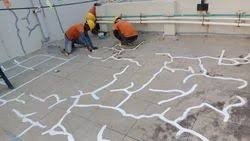
Structural Crack Repair (Strength Restoration)
1) Epoxy Injection: This Is The Industry Standard For Structural Concrete. A High-Strength Epoxy Resin Is Injected Under Pressure Into The Crack, Bonding The Two Sides Together To Restore Original Strength.
2) Crack Stitching: Used Primarily In Masonry (Brick/Block) Walls. Metal Staples Or Stainless Steel Rods Are “Stitched” Across The Crack Into Pre-Cut Grooves And Grouted In Place To Distribute Structural Movement.
3) Pressure Grouting: Involves Injecting Cement-Based Grout Or Specialized Resins Into Larger Voids And Foundations To Stabilise The Structure.
Crack Filling (Sealing & Aesthetics)
• V-Groove & Fill: A Scraper Or Grinder Is Used To Widen The Crack Into A “V” Shape. This Creates A Larger Surface Area For The Filler To Grip.
• Flexible Fillers: Acrylic Or Elastomeric Pastes (Like Sika Cracksil Acrylic Paste) Are Used For Interior And Exterior Walls Where Slight Movement Might Occur. These Do Not Shrink And Are Often Waterproof.
• Polyurethane Injection: Used For Leaking Cracks. The Foam Expands When It Hits Water, Effectively Sealing The Gap But Providing Less Structural Reinforcement Than Epoxy.
1) Preparation: Clean The Crack Using A Wire Brush And Vacuum To Remove All Dust, Grease, And Loose Material.
2) Widening: For Wall Fillers, Score A Shallow “V” Along The Crack Line.
3) Application:
o Filling: Press The Paste Firmly Into The Gap With A Putty Knife Or Spatula.
o Injection: Install Injection Ports (Spacers) Along The Crack, Seal The Exterior Surface With A “Capping” Epoxy, And Then Inject The Resin From The Bottom Port Upward.
4) Finishing: Once Cured, Sand The Area Smooth, Apply A Primer, And Finish With A Topcoat Of Paint.