
Torch-applied or sheet membrane waterproofing for roofs, basements, wet areas and below-ground structures.
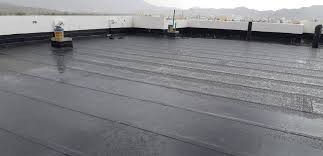
- Roofing Systems: Primarily Used On Flat And Low-Slope Roofs. Exposed Roofs Often Use Mineral-CoatedVersions For Added UV Protection, While Non-Exposed Roofs May Use Smooth Finishes Under A Protective Layer.
- Below-Ground Structures: Used For Waterproofing Foundations And BasementsTo Prevent Groundwater Seepage That Can Lead To Mold Or Structural Damage.
- Wet Areas: Frequently Installed In Bathrooms, Kitchens, And Swimming PoolsAs A Reliable Moisture Barrier.
- Infrastructure: Applied On Bridges, Tunnels, And ViaductsDue To High Tensile Strength And Ability To Withstand Environmental Stress.
- Garden Terraces: Specialized Anti-RootVersions Are Used In Green Roofs To Prevent Plant Roots From Damaging The Waterproofing Layer.
- Surface Preparation: The Substrate Must Be Clean, Dry, And Free Of Debris.
- Priming: A Bituminous PrimerIs Applied To Ensure A Strong Bond Between The Surface And The Membrane.
- Alignment: Rolls Are Laid Out Starting From The Lowest PointOf A Slope To Ensure Water Flows Over The Joints, Not Into Them.
- Torching: A Propane Torch Is Used To Heat The Underside Of The Membrane Until The Bitumen Begins To Melt (Becoming Shiny), Then It Is Rolled Forward And Pressed Into Place.
- Seaming & Overlapping: Joints Are Overlapped (Typically 10 Cm For Sides And 15 Cm For Ends) And Torched Thoroughly To Create A Seamless, Watertight Seal.