
Systematic technical inspections and quality assessments conducted to evaluate the condition, performance, and integrity of waterproofing, protective coatings, flooring systems, and structural repairs, ensuring long-term reliability and compliance with project specifications.
1) Terraces & Exposed Areas: Every 12 Months, Especially Before Monsoon Seasons, As High Heat And Heavy Rain Accelerate Deterioration [15, 22].
2) Other Building Areas: Every 2 To 3 Years [15, 25].
3) Critical Milestones: During Construction, Inspections Should Occur Before, During, And After Application, And Always Before Tiling Begins [14, 29, 44].
4) Surface Preparation: Substrates Must Be Clean, Dry, And Free Of Debris [26, 37, 38]. All Cracks And Joints Must Be Repaired Before The Membrane Is Applied [26, 32].
5) Application Thickness: Use A Wet Film Thickness Gauge During Application To Verify It Meets Manufacturer Specifications [9, 38].
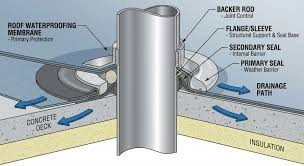
6) Detailing: Pay Special Attention To Corners, Pipe Penetrations, And Joints, As These Are Common Failure Points [12, 29, 37].
7) Slope/Grading: Ensure Adequate “Fall” (Slope) Toward Drainage Outlets To Prevent Water Ponding [20, 30, 44].
1. Flood Test (Ponding): The area is filled with 2-4 inches of water for 24 to 48 hours to check for leaks below or around the surface [14, 36, 38].
2. Spray Test: Used for exterior walls; water is sprayed at a 30-degree angle for several hours to check for internal dampness [14, 32].
3. Moisture Meter: Detects hidden moisture inside walls or slabs that is not yet visible to the eye [14, 15, 32].
4. Thermal Imaging: Uses infrared cameras to find hidden leaks by detecting temperature differences caused by moisture [14, 19]
Signs of Waterproofing Failure
1) Visual: Peeling Or Bubbling Paint, Damp Patches On Ceilings, Or Salt Deposits (Efflorescence) [15, 33, 45].
2) Odour: A Persistent Musty Or Mouldy Smell In Closed Rooms [15, 25].
3) Structural: Hairline Cracks In Floors, Rust Stains On Concrete, Or Drummy-Sounding Tiles [15, 33, 43].